The Pet Immune Health Boom: How Can Brands Develop High-Value Products?
General Manager Jones Hsu
Recently, I went with our sales team to visit a new client to discuss the development direction of pet supplements.At first, the atmosphere was a bit tense, so I casually asked,
“Are you a cat person or a dog person?”
To my surprise, that question instantly broke the ice!The client immediately took out his phone and started showing us photos of his three pets —
a dachshund, a British Shorthair cat, and a recently adopted Shiba Inu.From there, the conversation naturally flowed into pet health topics:Are cats really more prone to kidney issues?How can we help aging dogs maintain joint health?
Before we knew it, the discussion had expanded from cat-vs-dog preferencesto pet immune health and which ingredients on the market are best for boosting immunity.That moment once again reminded me — pets have truly become an inseparable part of our lives.They’re not only our family but also one of the best ways to connect with others.The more pet owners love their furry companions, the more they want to see them live long and healthy lives.And at the heart of that goal lies one key factor — a strong immune system.
So today, let’s talk about pet immune health,and explore what trends and product opportunities brands should pay attention to in this rapidly growing market.

1. Why Is the Pet Immune Health Market Booming? Three Key Growth Drivers
Did you know that Taiwan’s pet industry surpassed NT$40 billion in 2023, with one of the fastest-growing categories being pet immune health supplements?
For many brands, the question is: Is this just a short-lived trend or a long-term opportunity worth investing in?
The answer is clear — as pet owners around the world become more health-conscious, the immune supplement market will only continue to expand.
More owners now view supplements as essential tools to improve their pets’ quality of life and overall wellness, particularly for senior pets, purebred cats and dogs, and pets with weaker constitutions.
Here are the three major forces driving this unstoppable trend:
-
Rising Health Awareness Among Pet Owners
In the past, owners only turned to supplements when their pets were sick.Now, preventive health care has become the new norm — pet owners start supplementing early to strengthen immunity and reduce future disease risks. -
Soaring Veterinary Costs
Veterinary care is getting more expensive every year.Many owners are realizing that daily preventive supplementation is more cost-effective than paying high medical bills later. -
Diverse Product Options
Beyond traditional probiotics, the market now offers β-glucan, lactoferrin, Omega-3 fatty acids, and even customized nutrition programs, providing pets with personalized immune support that fits their individual needs.
2. Why Do Pets Need Immune Support? Understanding the “Immune Health Code”
Immune health in pets is something you can’t afford to ignore.“What should I do if my pet gets sick?” — this is the question every owner dreads.The immune system is a pet’s core defense mechanism, and over 90% of pet illnesses are linked to immune imbalance.Modern pets live very different lives compared to the past — their diets, environments, and exposure to pathogens all challenge their immune resilience.
Key factors affecting pet immunity include:
-
Refined Diets
Modern pet food is more sophisticated but may lack natural nutrients vital for a strong immune system. -
Environmental Changes
Urban air pollution, stress, and allergens increase the risk of chronic inflammation and allergies. -
Longer Lifespans
Advancements in veterinary care have extended pet lifespans — but aging naturally weakens immune defense.
Think of your pet’s immune system as a fortress built from multiple layers of defense — the skin, mucosal barriers, digestive tract, lungs, liver, and hormone system — working together to protect against viruses, bacteria, and external threats.
Once a single layer weakens, the “fortress” becomes vulnerable — leading to immune imbalance, infections, allergies, chronic inflammation, and even organ damage or premature aging.
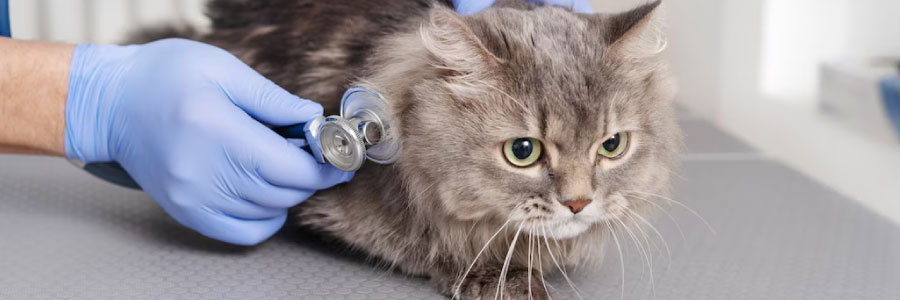
Why Does Immune Imbalance Occur?
There are generally three main causes behind weakened or unstable immune systems in pets:
-
Genetic Predisposition — The Hidden Risk of Pure Breeding
Certain breeds, such as French Bulldogs and Scottish Fold cats, are more prone to immune-related diseases like dermatitis, allergies, or hereditary disorders due to genetic factors.
These pets are often born with weaker immunity and have limited adaptability to environmental changes. -
Lifestyle Stress & Environmental Challenges — The Invisible Threat
Excessive stress (such as frequent moving or long periods of loneliness) or unsanitary environments (dampness, high bacterial exposure) can weaken a pet’s immune system, making them more vulnerable to infections or chronic inflammation.
Contact with pathogens during outdoor activities or seasonal allergens can further disrupt immune stability. -
Nutritional Imbalance & Monotonous Diet — The Slow Health Crisis
Eating enough doesn’t always mean eating right.
Commercial pet food alone may not fully meet the nutritional requirements for essential vitamins, minerals, and fatty acids.
Over time, this leads to a gradual decline in immune resilience.
For young and senior pets, nutritional deficiencies have an even greater impact, directly weakening their immune defenses.
3. Product Development Recommendations: Creating High-Value Immune Health Supplements for Pets
-
Palatable & Easy-to-Administer Products
Pet owners want supplements that are easy to feed and well-accepted by their pets.
Brands can explore innovative dosage forms — such as soft chews, liquid drops, or sprinkle powders — to address the common issue of “difficult feeding.” -
Multi-Functional Formulas for Holistic Health
Consumers increasingly prefer supplements that provide comprehensive benefits, such as improving immunity, supporting gut health, and maintaining healthy skin and coat.
Below are some common immune-focused formulation directions:
(1) Formulation Design Based on Immune Function
-
β-Glucan
Modulates immune activity by enhancing macrophage and white blood cell function, helping reduce infection risk — especially beneficial during seasonal transitions or high-stress periods. -
Vitamins C & E
Powerful antioxidants that protect immune cells from free radical damage and maintain optimal immune response. -
Omega-3 Fatty Acids
Derived from fish oil or flaxseed, Omega-3s help reduce inflammation, improve skin and coat health, and are particularly effective for pets prone to allergies, hair loss, or sensitive skin.

(2) Gut Health Formulation Design
Around 70% of a dog’s or cat’s immune cells are located in the intestinal tract.
Therefore, improving gut health can indirectly strengthen a pet’s immune system.
Probiotics play an essential supportive role by balancing the intestinal microbiota, enhancing immunity, and helping protect pets from immune-related diseases.
-
Probiotics and Prebiotics:
Promote a healthy balance of beneficial bacteria in the gut, suppress harmful bacteria, improve digestion, and strengthen overall immunity.
Common ingredients include Lactobacillus, Bifidobacterium, and prebiotics such as inulin or fructooligosaccharides (FOS). -
Dietary Fiber:
Helps regulate bowel movement and provides nutrients that support the growth of beneficial intestinal bacteria.
(3) Customized Formulation Design
Pet owners place greater trust in products designed specifically for their pets — especially formulations tailored to breed, age, or lifestyle.
-
Breed-Specific Formulations:
For example, short-nosed breeds (like Persian cats or French Bulldogs) may need respiratory support, while active breeds (such as Border Collies or Labradors) require higher-energy formulations. -
Age-Specific Products:
From growth and development formulas for young pets to antioxidant and joint health support for seniors, these products provide more targeted care. -
Lifestyle & Occasion-Based Formulas:
Products designed for specific scenarios — such as portable travel packs, seasonal immune boosters, or calming supplements — help owners easily maintain their pets’ health in any situation.

By addressing existing market pain points and anticipating future needs, we can design highly attractive pet immune health supplements that stand out in a competitive market.
4. End-to-End Service to Build Your Ideal Pet Immune Health Product
If you’re a brand owner or entrepreneur planning to develop pet immune supplements, here are the key steps to success:
-
Define Product Positioning:
Determine whether your product focuses on daily immune support or targets specific issues (such as allergies or senior pet care). -
Select Effective Active Ingredients:
Choose proven ingredients such as β-glucan, lactoferrin, Omega-3 fatty acids, and probiotics, and tailor combinations to meet specific health needs. -
Partner with a Professional Manufacturer:
Work with an experienced OEM/ODM partner to ensure safe, effective, and high-quality formulations. -
Ensure Regulatory Compliance:
While pet supplements are not regulated as strictly as pharmaceuticals, they must still meet food safety and labeling standards to build consumer trust. -
Develop a Marketing Strategy:
Leverage influencer marketing, veterinary endorsements, and social media engagement to establish brand credibility and connection with pet owners.
If you’re ready to enter the pet immune health market or want to develop a high-value, market-ready supplement, our professional R&D and manufacturing team is here to help.
We’re your most reliable partner in creating products that protect pet health while driving brand growth.Connect with our product consultants via Line@ to start shaping the next success story in the pet health industry!
相關文章

Why has digestive health become the most popular category in pet supplement development?
Essential Reading for Brand Owners: Marketing and Legal Labeling Strategies for Pet Health Supplements