Health Care for Elderly Pets: New Opportunities in the Health Food Market
General Manager Jones
Just like humans, pets are aging. The average lifespan of a dog or cat is about 12 to 15 years, which means that in just 15 years, we will be witnessing the life and death of pets that have become part of our family. Under the concept of “pets are family”, pets' lifestyles are becoming more and more anthropomorphized, especially in terms of diet, which has evolved to focus on health care and prevention.
According to the American Pet Food Association (APPA), 25% of the total number of pet dogs in the U.S. are over 10 years old, and 35% of the total number of cats. 2021, there will be more than 31 million old pets in the U.S. The aging of pets is now a reality. The aging of pets is a reality, and more and more new industries are beginning to emerge, such as pet insurance, pet funeral industry, pet long-term care centers, etc. These emerging industries show the future of the pet industry. These emerging industries show great potential for the future, so now is the best time to enter the pet health food market.
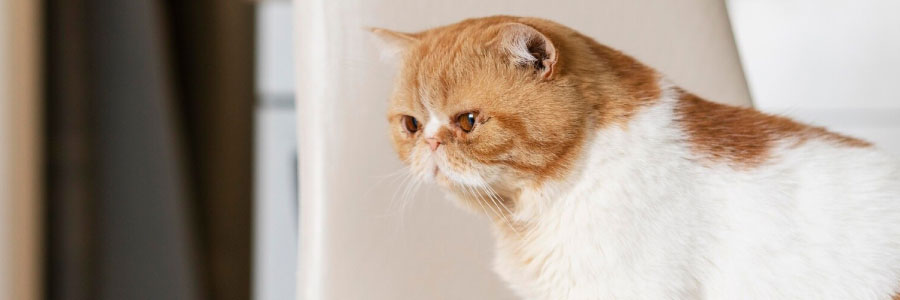
I. Nutritional requirements of pets at various stages of growth:
Dogs and cats age 7-10 times faster than humans!
The entire life cycle of dogs and cats can be roughly divided into three stages: juvenile, adult and elderly; and the physical condition of pets in each stage will be different, so it is necessary to provide corresponding nutritional requirements for different stages. Generally speaking, small dogs and cats enter adulthood when they are about 7~8 years old (large dogs may enter adulthood 1~2 years earlier), and after 10 years of age, they officially enter the old age!
Puppy Age
Puppies and kittens are at a critical stage of growth and development and need adequate nutritional support.
0 to 4 weeks: They rely heavily on breast milk, which is rich in antibodies and collagen that strengthen the immune system. Puppies and kittens are unable to digest the high levels of lactose found in cow's milk, and drinking cow's milk can lead to diarrhea and dehydration.
4 to 12 weeks: Known as the “immune window” period, supplementation with Vitamin E and Vitamin B can help boost the immune system.
After 12 weeks: Bones and muscles begin to develop rapidly, requiring balanced nutritional support.
Adulthood
Although commercially available feeds and canned foods already contain the basic daily nutritional requirements for dogs and cats, they may require additional nutrients due to differences in life stages, living environments (e.g., apartment-style environments with reduced activity levels), body mass or special breeds, and so on, and supplementation with relevant health foods is needed at this time.
Ageing
At this stage, your pet's memory and learning ability begin to deteriorate, organs gradually begin to age, metabolism slows down, and wear and tear occurs in the joints and bones. The following signs of deterioration can be used to determine if your dog or cat has reached old age:
Decreased activity: The cat is no longer as active as it was when it was younger, and its movements become slower.
Decreased Appetite: A decrease in food intake or interest in food.
Increased sleep: Increased rest or sleep time.
Weight changes: Abnormal changes in weight that are sudden increases or decreases in weight.
Cognitive disorders: Easily startled, anxious or stressed, disoriented, more irritable.
Degeneration of organs: Clouding of the eyes, deterioration of vision and hearing, often bumping into objects.

II. The development of health care products from the nutritional needs of aging pets:
And although the market share of pet health food in the overall pet market is small, the growth rate in the last five years is as high as 50%! In the unsatisfied segment of pet health care for the elderly, we can develop products from the following aspects:
1. Lower calorie requirements but higher nutritional needs
With declining activity levels and lower basal metabolic rates, energy requirements decline by about 20% in older dogs and about 15% in older cats compared to adulthood. However, the need for protein, vitamins and minerals increases. Proper protein intake is essential to slow down muscle loss. 2.
2. Helps improve digestion and absorption
Ageing leads to a decrease in the activity of digestive enzymes and a decrease in the utilization rate of nutrient absorption. It is necessary to supplement easily absorbed nutrients, or prebiotics and probiotics to maintain the balance of intestinal flora.
3. Nutritional requirements for immunity enhancement
Loss of immunity is a common symptom of aging pets. Strengthening the intake of vitamin C, E, selenium and other antioxidant nutrients in the diet can help to enhance their immune function.
4. Joint care for elderly pets
Age-related arthritis is a common problem in older pets. Dogs with potential joint problems, in particular, should be supplemented with joint care products as early as possible. Common joint care ingredients include non-degenerated collagen type II, green mussel, MSM, glucosamine and chondroitin.
5. Help reduce bad breath
If bad breath is not addressed early, 70% to 80% of dogs will develop periodontal disease in middle and old age, which affects dental health and can lead to more serious health problems.
6. Elderly cats are prone to kidney problems.
Amino acids, brown algae and fish oil can help remove harmful substances from the body and protect the kidneys.

III. The idea of developing health care products for mature pets:
The global pet care market will be approximately US$179.4 billion in 2020 and is expected to reach US$241.1 billion by 2026, with a compound annual growth rate of 5.2%! For Taiwanese brand owners, the idea of developing mature pet healthcare products requires comprehensive consideration of market demand, product ingredients, safety and efficacy, and other factors to ensure that the products meet market demand and protect the health of pets at the same time. Below are the detailed ideas and suggestions:
1. Selection of Product Ingredients
Safety and efficacy: Selecting ingredients that have been scientifically proven to be safe and effective for pets is the basis of product development. Avoid harmful ingredients and make sure the product does not contain any ingredients that may pose a threat to your pet's health, such as artificial additives and preservatives.
Prioritize natural ingredients: Modern farmers prefer natural ingredients, so it is important to maximize the use of naturally sourced ingredients in formulations, such as fish oil and lutein. This not only improves the safety of the product, but also enhances its competitiveness in the market.
2. Product Functional Positioning
Multi-functional healthcare products: Develop products with multiple healthcare functions, such as products that combine multiple healthcare functions for joints, cardiovascular and eyes. These products can provide all-around health protection and meet the diversified needs of owners for mature pets.
Specialized healthcare products: Develop specialized healthcare products that target specific health problems. For example, a product that targets only dogs with degenerative arthritis or older cats with poorly functioning kidneys.
3. Product Development Dosage Options
Friendly dosage form: As the chewing ability and dental condition of older dogs and cats deteriorate, a powder dosage form is more suitable than tablets.
IV. FUE PET's professional OEM service
FUE-PET has a professional pet nutrition research and development team that can develop the most suitable formulas according to your needs. Our manufacturing department is highly efficient and rigorous, and can help you create high-quality health food for aging pets. Below are some of the professional services that FuZhou can provide for you:
Customized formula design: According to the market demand and brand requirements, we can design customized health food formulas to ensure the uniqueness and competitiveness of the products.
High standard production environment: We have advanced production equipment and strict quality control system to ensure that each batch of products meets the highest quality standards.
Comprehensive technical support: From product concept to market launch, we provide full technical support to help brand owners quickly realize their products on the market.
Let's work together to create high-value healthcare products for aging pets. If you are ready to develop healthcare products for aging pets, please feel free to contact us via LINE@, phone or email.
相關文章
Senior Pet Market Opportunity: Why Aging Dogs and Cats Lose Weight ? Unlocking Growth in Digestive Absorption and Immune Health Supplements

Soft Chews: The New Bestseller Formula in Pet Health Supplements